


Hebrew Script for Beginners: How to Start Reading Without Feeling Overwhelmed
At first glance, written Hebrew can look more intimidating than it really is, especially if you are used to the Latin alphabet. The good news is that it starts to make sense surprisingly quickly once you know what to look for. Hebrew belongs to the Semitic language family, alongside languages such as Arabic and Aramaic, and it uses a right-to-left script with 22 main letters. Unlike English, Hebrew is mainly an abjad, which means its alphabet is built mostly around consonants. Vowel sounds are shown differently: sometimes through small marks called nikkud, sometimes through letters such as ו and י, and often through context once you become more advanced. That combination of new letters, right-to-left reading, and less visible vowel information can feel confusing at first, but the system becomes much easier when you learn it step by step.
A good beginner path is simple: first learn how Hebrew moves across the page, then recognise the printed letters, then connect those letters to sounds, then practise short words with vowel marks. For example, a beginner should not try to read a whole paragraph immediately. It is much better to start with short, clear words such as שָׁלוֹם [shalom / peace or hello], סֵפֶר [sefer / book], or בַּיִת [bayit / house], where the letters and vowel marks can be seen together.
Hebrew may look like a wall of symbols at first, but it is not a wall. It is a system. Once you know what each part is doing, the page starts to feel much less overwhelming.
Table of Contents
- Why Hebrew Is Read From Right to Left
- Why Hebrew Can Feel Hard at First, But Not Impossible
- The Hebrew Alphabet: What Beginners Need to Know First
- Hebrew Alphabet Chart for Beginners
- Hebrew Vowels: What Are Nikkud?
- Dagesh: The Small Dot That Can Change a Sound
- How to Start Reading Hebrew Words
- Common Hebrew Script Mistakes Beginners Make
- A Simple Practice Plan for Learning Hebrew Script
- How a Teacher Can Help You Learn Hebrew Script Faster
- FAQs About Learning the Hebrew Script
→Sign Up Now: Free Trial Hebrew Lesson With a Native Teacher!←
Why Hebrew Is Read From Right to Left
Hebrew starts on the right side of the page. A Hebrew word begins with the rightmost letter and moves left, and a Hebrew sentence follows the same direction. For English speakers, this is one of the first habits to retrain because your eyes naturally want to begin on the left.
Take the word שָׁלוֹם [shalom / peace or hello]. An English speaker may instinctively look at the left side first, but Hebrew begins with ש on the right. You read it in this direction:
שָׁ לוֹ ם
right → left
shalom
The same happens in a sentence. In English, you read:
I am learning Hebrew.
left → right
In Hebrew, the sentence moves the other way:
אני לומד עברית
right → left
ani lomed ivrit [I am learning Hebrew]
The first word you read is אני [ani / I], which appears on the right. The final word is עברית [ivrit / Hebrew], which appears toward the left.
A simple beginner trick is to use your finger while reading. Place your finger under the rightmost letter and move left slowly. This may feel basic, but it helps your brain stop treating Hebrew like English with different letters. You are not only learning symbols; you are learning a new reading movement.
Writing practice helps too. Even if your first letters are not beautiful, copying Hebrew from right to left teaches your eyes and hand to follow the direction of the language. The goal at the beginning is not perfect handwriting. The goal is to make the right side of the page feel like the natural place to start.
Why Hebrew Can Feel Hard at First, But Not Impossible
One of the most difficult aspects of learning Hebrew is getting used to several new things at the same time, especially when you are just beginning. The letters are unfamiliar, the direction is different, vowels may appear as small marks instead of full letters, and a few letters change shape when they come at the end of a word.
For example, the letter מ is the regular form of mem, but at the end of a word it becomes ם. You can see that in:
מַיִם [mayim / water]
The word begins with מ, but it ends with ם. Both are connected to the same letter, but the final form looks different. A beginner who does not know about final letters may think ם is a completely separate letter. It is not. It is simply the end-of-word form.
Another example is נ and ן. The regular form is נ, but the final form is ן, as in:
כֵּן [ken / yes]
The final letter ן is still nun; it just has a different shape because it appears at the end of the word.
This is why Hebrew becomes easier when you learn in layers. First, get used to reading right to left. Then learn the normal printed letters. Then learn the five final forms. Then practise short words with vowel marks. Each layer makes the next one easier.
Hebrew is not impossible because it is unfamiliar. It only feels overwhelming when learners try to understand every detail at once. A calm, step-by-step approach turns the alphabet from a mystery into a set of patterns.
The Hebrew Alphabet: What Beginners Need to Know First
The Hebrew alphabet has 22 main letters, and one helpful thing for beginners is that Hebrew does not have uppercase and lowercase forms. In English, you need to recognise both A and a, B and b, G and g. Hebrew does not have that extra layer. A letter may look different in print and handwriting, and some letters have final forms, but there is no capital-letter system to learn.
Hebrew letters mostly represent consonants. For example:
ב represents a b or v sound, depending on whether it has a dot.
מ represents an m sound.
ש represents a sh or s sound, depending on the dot position.
ל represents an l sound.
When these consonants come together, they create the basic structure of a word. For example:
ספר
Without vowel marks, these three letters are:
ס = s
פ = f or p, depending on marking and context
ר = r
With vowel marks, the word can be read as:
סֵפֶר [sefer / book]
The letters give you the main frame of the word, and the vowel marks help you pronounce it.
Why Hebrew Letters Are Mostly Consonants
English spelling usually shows vowels with full letters: a, e, i, o, and u. Hebrew works differently. The main alphabet is built mostly around consonants, so the written word often gives you the consonant structure first.
A simple example is the Hebrew word for peace or hello:
שָׁלוֹם [shalom]
The main consonant letters are:
ש = sh
ל = l
ם = m
The vowel information appears through marks and, in this case, the letter ו, which helps show the o sound. A beginner should notice that the word is not built like an English word, where every vowel is represented by a normal vowel letter.
Here is another example:
בַּיִת [bayit / house]
The consonant letters are:
ב = b
י = y
ת = t
The vowel marks help you read the word as bayit. Without those marks, a beginner might not immediately know which vowels to use. That is normal. Hebrew reading starts with recognising the consonant structure, then learning how vowels are shown, and later using context to read more naturally.
This is one reason beginner Hebrew materials often include nikkud, the small dots and lines that show vowel sounds. Nikkud is like training wheels for reading. It helps you pronounce new words while your brain is still learning the letter system.
Why Some Letters Can Help Show Vowel Sounds
Although Hebrew letters are mostly consonants, some letters can also help show vowel sounds. Two of the most important are ו and י.
The letter ו can be a consonant, but it can also help represent vowel sounds such as o or u. For example:
שָׁלוֹם [shalom / peace or hello]
In this word, וֹ helps show the o sound.
Another example is:
סוּס [sus / horse]
Here, וּ helps show the u sound.
The letter י can also help with vowel sounds, especially an i or ee type sound. For example:
עִיר [ir / city]
The י helps show the long i sound.
You can also see it in:
אִישׁ [ish / man]
Again, י helps carry the i sound.
The important beginner lesson is not that ו and י are always vowels. They are not. Their role depends on the word. The useful point is that Hebrew has several ways to show vowel information: vowel marks, vowel letters, and context.
For a beginner, this means you should not panic when you do not see vowels written the way you expect. Hebrew is not missing information randomly. It is using a different writing logic.
Print Letters vs Handwritten Hebrew
Hebrew has a printed form and a handwritten form. The letters represent the same sounds, but they can look quite different.
For example, the printed letter א is alef. In handwriting, alef is written with a different, more flowing shape. The printed letter ב is bet/vet, but handwritten bet/vet also looks different. The same is true for many letters, so beginners often feel as if they are meeting two versions of the same alphabet.
Here is how the same Hebrew word can look in print and handwriting:
| What it is | Where you see it | |
| שלום | printed form of shalom [peace or hello] | books, websites, signs, subtitles, apps |
| Same word, shown in handwriting | notebooks, personal notes, letters, graphic design |
The word is the same. The sounds are the same. The meaning is the same. What changes is the style of the letters.
English has something similar. A printed g can look different from a handwritten g. A printed a can look different from the way many people write a by hand. Hebrew works in a similar way, but the difference between print and handwriting can feel more dramatic for beginners.
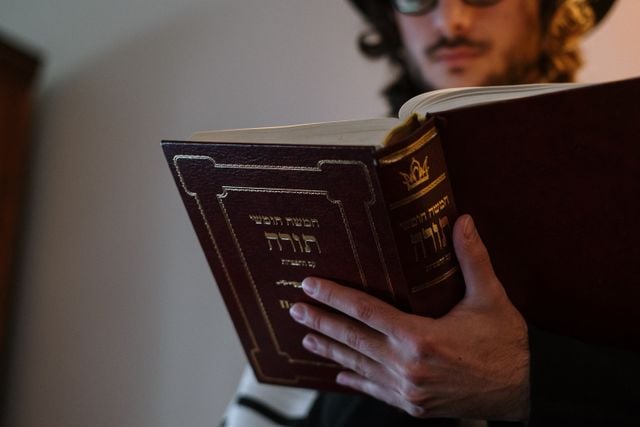
Printed Hebrew is sometimes called block Hebrew. This is the form you will see in most reading situations: books, websites, road signs, menus, apps, newspapers, subtitles, and prayer books. Handwritten Hebrew, often called Hebrew cursive, is what people usually use when writing by hand.
Why Beginner Hebrew Learners Should Start With Print Letters
Beginners should usually start with printed Hebrew because print is what they need for reading. A learner who wants to read signs, recognise words in an app, follow subtitles, read a children’s book, or study from a textbook will meet printed letters first.
For example, a beginner may see the word:
תודה [todah / thank you]
This is printed Hebrew. The learner needs to recognise:
ת = t
ו = o sound here
ד = d
ה = h or final vowel marker, depending on the word
With practice, the learner stops seeing four strange symbols and starts recognising the word as todah [thank you].
Another useful word is:
שלום [shalom / peace or hello]
This word appears everywhere in beginner Hebrew because it is common, useful, and easy to remember. When learners recognise ש, ל, ו, and ם, they are not only memorising letters; they are reading a real word.
Starting with print also keeps the process cleaner. The shapes are more standard, and they are easier to compare side by side. For example, beginners often confuse ד [dalet] and ר [resh] because they look similar. Printed letters make it easier to slow down and notice the difference:
ד has a sharper corner.
ר is more rounded.
Learners may also confuse ב [bet/vet] and כ [kaf/khaf], or ה [he] and ח [chet]. Seeing printed forms clearly helps students train their eyes before adding the extra challenge of handwriting.
A good practice method is to learn a few printed letters, then immediately find them inside real words. For example, after learning מ, look for it in:
מים [mayim / water]
מלך [melekh / king]
שלום [shalom / peace or hello]
That kind of practice teaches recognition, not just memorisation.
When to Learn Hebrew Cursive
Hebrew cursive is useful when you want to write by hand or read someone else’s handwriting. You may see it in classroom notes, personal messages, handwritten signs, forms, and notebooks. However, it is not the main form used in printed books, websites, subtitles, or most digital text, so beginners do not need to start there.
The best time to learn cursive is after you feel comfortable recognising the printed alphabet. At that point, you already know the sounds and the basic letter identities. Cursive then becomes a second visual version of something familiar.
For example, once you know that ש is shin, ל is lamed, ו can help show an o sound, and ם is final mem, you can understand that the handwritten form of שלום is still the same word: shalom [peace or hello]. You are not learning a new word. You are learning a new shape for letters you already know.
A practical order would be:
First, learn printed letters.
Then read short printed words with vowel marks.
Then learn the five final letter forms.
Then begin handwritten Hebrew.
This order matters because Hebrew already gives beginners enough new information. Learning print and cursive at the same time can work for some students, but for many learners it creates unnecessary confusion. Printed Hebrew opens the door to reading. Cursive can come next, when the alphabet no longer feels completely new.
Hebrew Alphabet Chart for Beginners
Before you start reading full Hebrew words, it helps to see the whole alphabet in one place. Hebrew has 22 main letters, and five of them have a special form used only at the end of a word. The English sounds below are not always perfect equivalents, but they give beginners a practical starting point.
| Hebrew Letter | Letter Name | Final Form | Nearest English Sound | Sample Word |
| א | Alef | — | Often silent; carries a vowel sound | אָב [av / father] |
| בּ / ב | Bet / Vet | — | b as in boy / v as in very | בַּיִת [bayit / house], אָב [av / father] |
| ג | Gimel | — | g as in go | גַּן [gan / garden] |
| ד | Dalet | — | d as in door | דָּג [dag / fish] |
| ה | He | — | h as in hello | הַר [har / mountain] |
| ו | Vav | — | v as in very; can also help show o or u | וָו [vav / hook], סוּס [sus / horse] |
| ז | Zayin | — | z as in zoo | זֶה [ze / this] |
| ח | Chet | — | A rough kh sound, like Scottish loch | חַלָּה [challah / challah bread] |
| ט | Tet | — | t as in top | טוֹב [tov / good] |
| י | Yod | — | y as in yes; can also help show an i sound | יָד [yad / hand], עִיר [ir / city] |
| כּ / כ | Kaf / Khaf | ך | k as in kite / rough kh sound | כֵּן [ken / yes], מֶלֶךְ [melekh / king] |
| ל | Lamed | — | l as in light | לֵב [lev / heart] |
| מ | Mem | ם | m as in mother | מַיִם [mayim / water], שָׁלוֹם [shalom / peace or hello] |
| נ | Nun | ן | n as in name | נֵר [ner / candle], כֵּן [ken / yes] |
| ס | Samekh | — | s as in sun | סֵפֶר [sefer / book] |
| ע | Ayin | — | Often silent in modern Hebrew; carries a vowel sound | עִיר [ir / city] |
| פּ / פ | Pe / Fe | ף | p as in pen / f as in fish | פֶּה [peh / mouth], סוֹף [sof / end] |
| צ | Tsadi | ץ | ts as in cats | צִיפּוֹר [tsipor / bird], עֵץ [ets / tree] |
| ק | Qof / Kuf | — | k as in kite | קוֹל [kol / voice or sound] |
| ר | Resh | — | Hebrew r, usually from the back of the throat in modern Hebrew | רֹאשׁ [rosh / head] |
| שׁ / שׂ | Shin / Sin | — | sh as in shoe / s as in sun | שָׁלוֹם [shalom / peace or hello], שְׂמֹאל [smol / left] |
| ת | Tav | — | t as in top | תּוֹדָה [todah / thank you] |
A few patterns are worth noticing right away. First, some Hebrew letters change sound when they have a dot inside them. For example, בּ sounds like b, but ב sounds like v. The same idea appears with כּ / כ and פּ / פ. That dot is called a dagesh, and it is one of the small details that can change how a letter sounds.
Second, five letters have final forms: ך, ם, ן, ף, ץ. These forms only appear at the end of a word. For example, מ becomes ם at the end of שָׁלוֹם [shalom / peace or hello], and נ becomes ן at the end of כֵּן [ken / yes]. The sound does not become a new sound; the shape changes because of the letter’s position.
Third, some Hebrew sounds do not match English perfectly. ח and כ without a dot have a rough kh sound that many English speakers need to practise. א and ע are also different from ordinary English consonants because, in modern Hebrew, they often function as silent carriers for vowel sounds rather than as strong consonants. So use the English equivalents as a guide, but remember that listening and repetition matter just as much as the chart.
Why Final Letters Are Less Scary Than They Look
Final letters are easier than they first appear because your job is mostly visual. You do not need to learn five new sounds. You only need to recognise five end-of-word shapes and connect them to letters you already know.
A good practice method is to pair each regular letter with its final form: כ / ך, מ / ם, נ / ן, פ / ף, צ / ץ. Then read short words that contain them, such as שָׁלוֹם [shalom / peace or hello], כֵּן [ken / yes], and סוֹף [sof / end]. After you see these forms a few times, they stop looking like surprises and start looking like normal endings.
While it is useful to keep the alphabet chart nearby as a reference during the learning process, do not try to memorise the whole system in one go. The sections below will break the script into smaller pieces, so you can focus first on final letter forms, then vowel marks, then sound-changing dots, and finally short Hebrew words. A chart gives you the full map, but these next steps show you how to move through it without feeling overwhelmed.
Hebrew Vowels: What Are Nikkud?
Once you can recognise some Hebrew letters, the next question is usually: “Where are the vowels?” This is where nikkud comes in. Nikkud are the small dots and marks placed above, below, or inside Hebrew letters to show vowel sounds. They help turn a line of consonants into a word you can actually pronounce.
For example, look at these three letters:
ספר
The consonants are ס [s], פ [f/p], and ר [r]. Without vowel marks, a beginner may not know how to read them. But when we add nikkud, the word becomes:
סֵפֶר [sefer / book]
The letters give you the structure, and the vowel marks tell you how to move through the sounds. That is why nikkud is so useful for beginners. It removes some of the guessing and lets you practise reading with more confidence.
You can see the same thing with:
מֶלֶךְ [melekh / king]
בַּיִת [bayit / house]
שָׁלוֹם [shalom / peace or hello]
In each word, the small marks help you know which vowel sound belongs with each consonant. Everyday modern Hebrew often appears without nikkud, especially in newspapers, websites, signs, messages, and books for fluent readers. Beginner materials, children’s books, poetry, religious texts, dictionaries, and language courses often include nikkud because learners still need that extra support.
Why Beginners Should Learn Hebrew Vowels First
Beginners should learn with vowel marks first because nikkud connects three things at the same time: the letter, the sound, and the word. Without vowels, Hebrew can feel like a puzzle with too many missing pieces. With vowels, you can begin sounding out words before you have enough vocabulary to recognise them automatically.
Take בַּיִת [bayit / house]. The letter בּ gives you the b sound, but the vowel marks help you read the word as bayit, not just as a string of consonants. The same happens with מַיִם [mayim / water]. The marks guide you through the pronunciation, so you do not have to guess where the vowels go.
Learning with nikkud also helps you avoid building bad habits. A beginner who tries to read unvowelled Hebrew too early may guess the wrong vowel pattern again and again. Nikkud gives you a more stable starting point. You can see the word, pronounce it, repeat it, and slowly connect the written shape with the spoken sound.
A good practice method is to read short, fully vowelled words out loud. Start with words such as שָׁלוֹם [shalom / peace or hello], תּוֹדָה [todah / thank you], סֵפֶר [sefer / book], and בַּיִת [bayit / house]. Read slowly from right to left, notice each mark, and say the full word several times. At this stage, accuracy matters more than speed.
Why Hebrew Often Drops Vowel Marks Later
Modern Hebrew often drops vowel marks because fluent readers do not need every vowel written out. Once you know enough words, patterns, and context, your brain starts filling in the missing vowel information naturally. This is similar to how English readers do not sound out every letter in every familiar word. They recognise patterns quickly because they have seen them many times before.
For example, after you have seen שלום many times, you do not need every vowel mark to know it is shalom [peace or hello]. After enough practice, the word shape, context, and your memory all work together. The word stops being a code to solve and becomes something you recognise.
This does not mean nikkud is unimportant. It means nikkud is a training tool. Beginners use it to learn how Hebrew words sound. Later, learners gradually move toward unvowelled text because that is how much of modern Hebrew appears in real life.
The transition should be gradual. A learner might first read שָׁלוֹם with full nikkud, then later recognise שלום without the marks. The same process can happen with סֵפֶר [sefer / book] and ספר, or מֶלֶךְ [melekh / king] and מלך. The goal is not to abandon vowel marks too early, but to use them until the word becomes familiar enough to stand on its own.
Dagesh: The Small Dot That Can Change a Sound
A dagesh is a dot that appears inside certain Hebrew letters. For beginners, the most important thing to know is that this dot can change how some letters are pronounced. The dot may look small, but in a few common letters it makes a very clear difference.
Look at בּ and ב. With the dot, בּ is usually pronounced like b in boy. Without the dot, ב is pronounced like v in very. You can see the difference in words such as:
בַּיִת [bayit / house]
אָב [av / father]
In בַּיִת, the letter has a dot, so it sounds like b. In אָב, the same letter appears without the dot, so it sounds like v. The basic letter is related, but the sound changes.
The same idea appears with כּ / כ and פּ / פ. With a dagesh, כּ has a k sound, as in כֵּן [ken / yes]. Without the dagesh, כ has a rough kh sound, as in מֶלֶךְ [melekh / king]. With a dagesh, פּ has a p sound, as in פֶּה [peh / mouth]. Without it, פ has an f sound, as in סוֹף [sof / end].
Which Dagesh Changes Beginners Should Notice First
Beginners do not need to learn every historical detail about dagesh immediately. The most useful starting point is to notice the three sound pairs that appear often in beginner Hebrew: בּ / ב, כּ / כ, and פּ / פ.
Here is the pattern in a simple chart:
| With Dagesh | Sound | Without Dagesh | Sound | Example |
| בּ | b | ב | v | בַּיִת [bayit / house], אָב [av / father] |
| כּ | k | כ | kh | כֵּן [ken / yes], מֶלֶךְ [melekh / king] |
| פּ | p | פ | f | פֶּה [peh / mouth], סוֹף [sof / end] |
A helpful way to practise is to say the pairs out loud and exaggerate the difference at first. Say bayit [house] and av [father], then notice how your lips move from b to v. Say ken [yes] and melekh [king], then notice how k is clean and sharp, while kh is rougher in the throat. Say peh [mouth] and sof [end], then notice the difference between p and f.
The dagesh is easy to miss because it is small. When you read slowly, train yourself to look inside the letter, not only at the outline. That little dot may tell you whether the word begins with b or v, k or kh, p or f.
How to Start Reading Hebrew Words
After learning individual letters, the next step is to read real words. This is where Hebrew begins to feel rewarding. A letter chart is useful, but reading only becomes real when you can look at a short word, move from right to left, connect the consonants and vowels, and recognise a meaning.
Start with fully vowelled words. That means words with nikkud, so you can see the vowel sounds clearly. For example:
שָׁלוֹם [shalom / peace or hello]
תּוֹדָה [todah / thank you]
סֵפֶר [sefer / book]
מַיִם [mayim / water]
בַּיִת [bayit / house]
When reading these words, do not rush. Begin at the right side, identify the first letter, check the vowel mark, then move to the next letter. The first goal is not to read quickly. The first goal is to read in the correct direction and understand how the letters and vowel marks work together.
Take תּוֹדָה [todah / thank you]. You begin with תּ on the right, then move left to וֹ, then דָ, then ה. The word is not read from the side that feels natural in English. It starts on the right and moves left, one piece at a time.
If you’re just learning Hebrew and you’re wondering what you can do to master vowels faster, try these tips:
1. Start With Short, Fully Vowelled Words
Short, fully vowelled words are the best training ground because they let you practise the whole reading process without too much pressure. A long unvowelled word may force you to guess, but a short word with nikkud gives you enough information to build confidence.
For example, סֵפֶר [sefer / book] is a good beginner word because it has only three main letters. You can identify ס, then פ, then ר, and the vowel marks guide the pronunciation. מַיִם [mayim / water] is also useful because it shows the regular מ at the beginning and the final ם at the end. In one short word, you practise direction, vowels, and final forms.
A good exercise is to choose five short words and read them every day for a week. Do not simply memorise the English meaning. Look at each Hebrew letter, say the sound, notice the vowel mark, and then read the full word. Repetition turns slow decoding into recognition.
2. Add New Letters Gradually
Hebrew becomes easier when you add new letters gradually instead of trying to learn all 22 at once. A strong method is cumulative practice: every time you learn a new letter, review the letters you already know and read words that combine old and new letters.
For example, after learning מ [mem], ש [shin], ל [lamed], ו [vav], and final ם [mem sofit], you can practise שָׁלוֹם [shalom / peace or hello]. After adding ס [samekh], פ [pe/fe], and ר [resh], you can practise סֵפֶר [sefer / book]. After adding בּ [bet], י [yod], and ת [tav], you can read בַּיִת [bayit / house].
This method is slower at first, but it is much stronger. Each new letter joins a growing system instead of floating alone in your memory. The more often you combine new letters with old ones, the faster your brain begins to recognise Hebrew as a readable script rather than a set of disconnected symbols.

Common Hebrew Script Mistakes Beginners Make
Hebrew script becomes much easier when you know what to watch out for. Most beginner mistakes are not signs that you are “bad at Hebrew”; they are normal habits from English getting in the way. English trains you to read from left to right, expect full vowel letters, and recognise familiar letter shapes. Hebrew asks your brain to do several things differently, so the best strategy is to notice the common traps early.
Watch out for these mistakes as you practise. Catching them now will save you a lot of confusion later.
1. Reading Hebrew From Left to Right
The most basic mistake is also the easiest one to make: starting on the wrong side. Because English moves from left to right, your eyes may automatically jump to the left edge of a Hebrew word. In Hebrew, the first letter is on the right.
Take שָׁלוֹם [shalom / peace or hello]. The word starts with ש on the right and ends with ם on the left. If you begin from the left, the word will not make sense. Before reading any Hebrew word, pause for one second and ask yourself: “Where is the right edge?” That small habit helps reset your reading direction.
A good practice exercise is to place your finger under the first letter on the right and move left as you read. You will not need to do this forever, but it is very helpful at the beginning.
2. Confusing Similar-Looking Letters
Some Hebrew letters look very similar when you first meet them. This is normal, but it can cause problems if you only memorise letters one by one and never compare them side by side. Beginners often confuse pairs such as ב / כ, ד / ר, ה / ח, and ו / ז.
For example, ד [dalet] and ר [resh] look almost identical at first. The difference is small but important: ד has a sharper corner, while ר has a more rounded top. A beginner who does not slow down may read one as the other.
The same happens with ה [he] and ח [chet]. Both have a similar outer shape, but ה has a small opening on the left side. That little space matters. Compare them directly:
| Pair | What to Notice |
| ב / כ | Both are curved, but their shape and sound are different. |
| ד / ר | ד has a sharper corner; ר is more rounded. |
| ה / ח | ה has a small opening; ח is more closed. |
| ו / ז | Both are short vertical letters, but ז has a clearer top stroke. |
The best way to learn these letters is not just to stare at the alphabet chart. Put confusing pairs next to each other, say their names, write one example word for each, and practise spotting the difference inside real words.
3. Forgetting Final Forms
Final forms can also confuse beginners because they appear only at the end of a word. A learner may recognise מ [mem] in the middle of a word but forget that ם is the same letter in final position. The same happens with נ / ן, כ / ך, פ / ף, and צ / ץ.
For example, מַיִם [mayim / water] starts with regular מ and ends with final ם. The sound is still m. The shape changes because the letter is at the end of the word. In כֵּן [ken / yes], final ן is still nun, even though it looks taller and straighter than regular נ.
A useful habit is to treat final letters as “ending versions,” not as new letters. When you see ם, think “final mem.” When you see ן, think “final nun.” That mental label keeps the system clear.
A Simple Practice Plan for Learning Hebrew Script
A beginner does not need to master Hebrew script all at once. A four-week plan can make the process feel much more realistic. The goal is not to become a fast reader in one month, but to build the right foundations: direction, letter recognition, vowel awareness, final forms, and short-word reading.
Use this plan as a flexible guide. Some learners will move faster, and others will need more time. What matters most is consistency. Ten focused minutes every day will usually help more than one long study session once a week.
Week 1: Direction and First Letters
The first week should focus on direction and basic letter recognition. Start by training your eyes to move from right to left. Open a Hebrew text, even one you cannot read yet, and simply practise finding the first letter of each word on the right side. This builds the most important habit before you start decoding.
Choose a small group of printed letters, not the whole alphabet. For example, you might begin with ש [shin], ל [lamed], ו [vav], and מ [mem]. These letters let you start recognising parts of שָׁלוֹם [shalom / peace or hello]. Add one or two example words, copy them from right to left, and say the letter names as you write.
At this stage, do not worry about speed. A successful first week means you can look at a Hebrew word, start on the correct side, and recognise a few letters without panicking.
Week 2: Vowels and Short Words
The second week should introduce nikkud, the vowel marks that help beginners pronounce Hebrew words. Instead of memorising vowel theory in the abstract, connect vowel marks to short, useful words.
Start with fully vowelled examples such as שָׁלוֹם [shalom / peace or hello], תּוֹדָה [todah / thank you], סֵפֶר [sefer / book], בַּיִת [bayit / house], and מַיִם [mayim / water]. Read each word slowly from right to left. Notice the consonant letters first, then look at the marks that tell you the vowel sounds.
A useful exercise is to read the same five words every day. On the first day, you may need to sound out each piece. By the end of the week, some words should begin to look familiar. That is the first step from decoding toward recognition.
Week 3: Final Letters and Common Word Patterns
The third week should focus on the five final forms: ך, ם, ן, ף, ץ. These shapes only appear at the end of words, so practise them in context rather than as isolated symbols.
Use short examples such as שָׁלוֹם [shalom / peace or hello], כֵּן [ken / yes], סוֹף [sof / end], עֵץ [ets / tree], and מֶלֶךְ [melekh / king]. Each word gives you a final letter in a real position. The point is to train your eyes to see ם as final mem, ן as final nun, ף as final fe, ץ as final tsadi, and ך as final khaf.
During this week, begin reading slightly longer words or very short phrases. Keep using nikkud so pronunciation stays clear. The main goal is to stop treating final forms as surprises and start seeing them as normal word endings.
Week 4: From Decoding to Recognition
The fourth week should help you move from slow decoding toward recognition. Decoding means reading every letter and mark step by step. Recognition means seeing a familiar word and knowing it more quickly because you have met it many times before.
Choose a small set of words from the previous weeks and reread them often. For example, practise שָׁלוֹם, תּוֹדָה, סֵפֶר, בַּיִת, מַיִם, כֵּן, and סוֹף. First read them with nikkud. Then look at simpler unvowelled versions where appropriate, such as שלום, תודה, and ספר. The purpose is not to guess wildly, but to notice that familiar word shapes can become readable even without every vowel mark.
By the end of this stage, Hebrew should feel less like a code and more like a script you can begin to navigate. You will still read slowly, and that is fine. Slow reading is part of the process. The important change is that the letters, direction, vowels, and final forms are no longer completely separate problems. They are starting to work together.
How a Teacher Can Help You Learn Hebrew Script Faster
Hebrew script is something you can begin learning on your own, but a teacher can make the process much smoother because many early mistakes are hard to notice without feedback. A learner may think they are reading a letter correctly, but confuse ד [dalet] with ר [resh]. A learner may pronounce בּ and ב the same way, even though the dagesh changes the sound. A learner may also read from the correct side when practising slowly, then accidentally return to left-to-right habits when the word becomes longer.
A teacher can catch those details before they become habits. For example, if you read בַּיִת [bayit / house] as if the first letter had a v sound, a teacher can point out the dagesh in בּ and help you hear the difference between b and v. If you struggle with מֶלֶךְ [melekh / king], a teacher can show you that the final ך is not a new letter, but the final form of כ without a dagesh. These corrections may seem small, but they make reading feel much more logical.
A teacher can also help you decide when to move from fully vowelled Hebrew to more natural unvowelled text. Moving too early can lead to constant guessing, but staying too long only with vowelled examples can make everyday Hebrew feel intimidating. A good teacher gives you the right kind of text at the right stage: first short words with nikkud, then familiar words without nikkud, then short phrases, then more natural reading practice.
Handwriting is another area where feedback helps. Hebrew is written from right to left, and each letter has its own shape and stroke direction. A teacher can correct the way you form letters, show you when to start learning cursive, and help you avoid mixing printed and handwritten forms before you are ready.
At Listen & Learn, our experienced Hebrew teachers can help you recognise printed letters, understand nikkud, practise pronunciation, read from right to left, and move gradually from fully vowelled words to more natural Hebrew texts. Instead of following a generic alphabet worksheet, you get a personalised lesson plan built around your level, goals, schedule, and learning pace.
That personal support can make a real difference, especially with a script that feels unfamiliar at first. Richard Stokes from Adelaide, who took a 40-hour online Hebrew course with Listen & Learn, shared: “Miriam is a good teacher and is flexible with lesson times, which is great for me because I have a crazy schedule. Hebrew is a hard language to learn, but she somehow makes it seem so much easier! Thanks for all your help!”
Hebrew still takes practice, but the right teacher can make the process feel clear, structured, and much less overwhelming. Contact Listen & Learn today to arrange a free trial lesson and start learning Hebrew with a teacher who can guide you step by step.
→Sign Up Now: Free Trial Hebrew Lesson With a Native Teacher!←
FAQs About Learning the Hebrew Script
1. Is Hebrew hard to read for English speakers?
Hebrew can be hard for English speakers at first because the script moves from right to left, the letters are unfamiliar, and vowels are not always written as full letters. The difficulty becomes much more manageable when you learn in stages. Start with direction, then printed letters, then nikkud (the small dots and marks that indicate vowel sounds), then short words, and only later move toward unvowelled text and cursive.
2. Should I learn Hebrew print or cursive first?
Beginners should usually learn printed Hebrew first because print is what appears in books, websites, subtitles, signs, apps, and most learning materials. Hebrew cursive is useful for handwriting and reading handwritten notes, but it can come later. Once you recognise printed letters confidently, cursive becomes a second version of letters you already know rather than a completely new alphabet.
3. Do I need to learn nikkud?
Nikkud is very useful for beginners because it shows vowel sounds and helps you pronounce new words accurately. Everyday modern Hebrew often appears without nikkud, but that does not mean learners should skip it. A better approach is to read fully vowelled words first, then gradually compare them with the same words without vowel marks as your recognition improves.
4. How long does it take to learn the Hebrew alphabet?
With focused practice, many beginners can learn to recognise the 22 main Hebrew letters in around 5–10 hours of study. Reaching the point where you can slowly read simple words with nikkud may take roughly 15–25 hours, while reading short beginner texts with reasonable confidence often takes 30–50 hours of practice. More fluent reading takes longer because you also need to become comfortable with final forms, vowel patterns, common letter combinations, and eventually reading without vowel marks.
5. Is Modern Hebrew script the same as the Hebrew used in the Torah and prayer books?
Modern Hebrew uses the same basic 22-letter Hebrew alphabet found in the Torah and Jewish prayer books, so learning the modern script also gives you the foundation for reading religious Hebrew texts. However, the presentation can differ. Torah scrolls use a traditional handwritten style and are written without nikkud, while printed prayer books often include these vowel marks to support reading. The language itself may also be different: Biblical and liturgical Hebrew contain vocabulary and grammatical forms that are less common in Modern Hebrew. For this reason, some learners can learn to read Hebrew aloud for religious purposes without necessarily understanding every word. If you already know the Hebrew alphabet or can read Hebrew for prayer, you already have a valuable head start. You are not beginning from scratch, and learning Modern Hebrew can help you build on what you already know, understand more of what you read, and gradually use the language with greater confidence in everyday situations.